Where to begin?
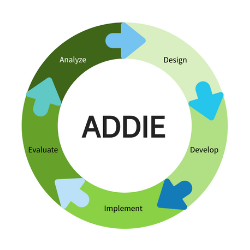
ADDIE? SAM? The actual path taken varies from project to project, but no matter which model is used, the journey begins with one simple question: Why? Why is training needed?
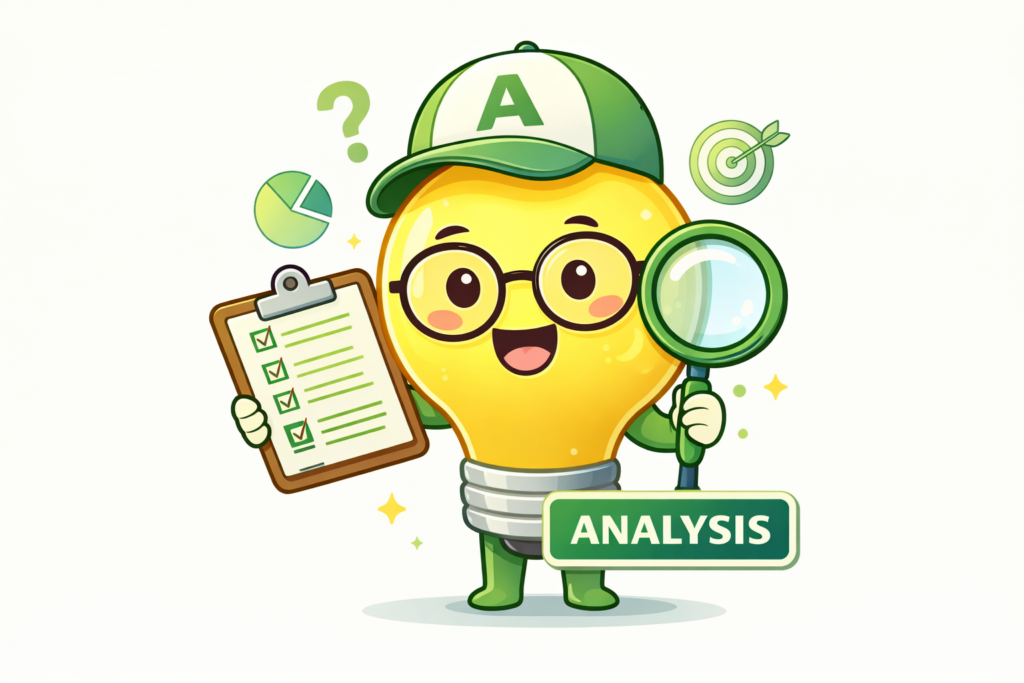
In this phase, I focus on understanding the problem before jumping to solutions. Who are the learners? What do they already know? What do they need to be able to do, and what constraints might exist? This may involve reviewing existing materials, consulting with stakeholders, or identifying performance gaps. Spending time here ensures the instruction is actually solving the right problem and sets a clear foundation for the design decisions that follow. As much as I enjoy the design process, I love this research phase!
Pulling it all together…
Design and Development are highly iterative and process-driven for me. In the design phase, I focus on translating analysis insights into a clear learning plan by defining objectives, outlining content, and selecting instructional strategies that support learner needs. This process might involve voiceover scripts and storyboards. These tools are useful for creating buy-in before building more detailed project components.
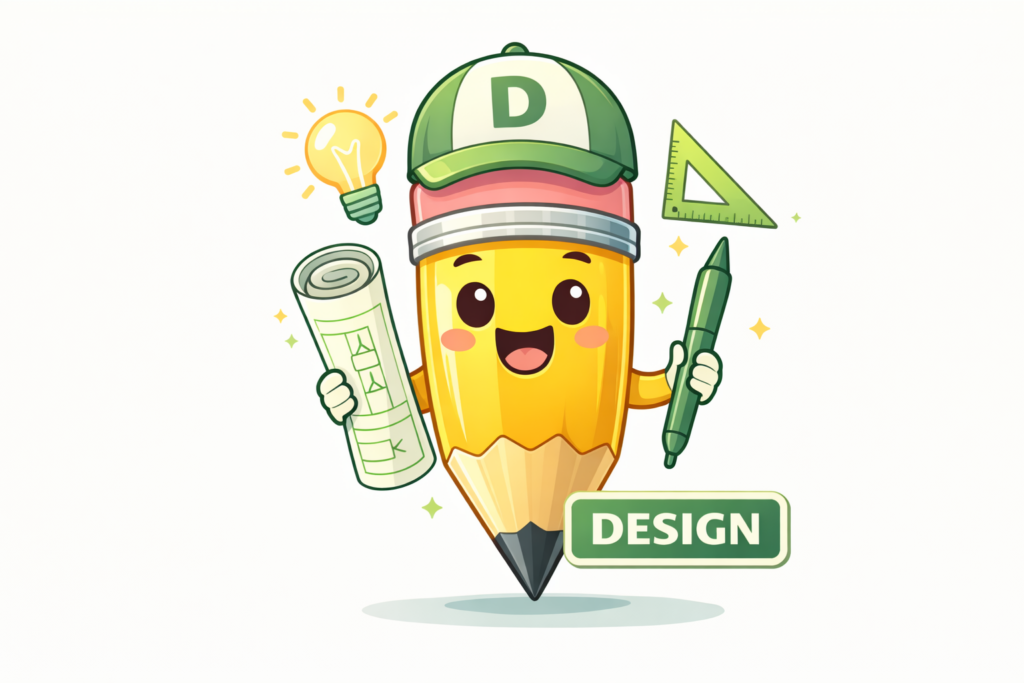
Development builds on that foundation through prototyping, creating materials, and testing ideas early and often. Moving back and forth between these phases allows me to refine the experience as it takes shape, ensuring the final instruction is intentional, usable, and aligned with the original goals.
Showtime!
I focus on technical readiness and smooth delivery. I ensure platforms, software, and multimedia function reliably. I test all components and troubleshoot potential issues so learners can engage seamlessly. This attention to detail sets the stage for accurate evaluation and continuous improvement.
How did it go?
After the evaluation is complete, the insights gathered guide refinements to both the content and the delivery process. I analyze learner feedback, assessment data, and any technical or logistical issues to identify areas for improvement. These findings inform updates to materials, instructional strategies, and technical configurations.
Essentially, evaluation drives iteration, closing the loop so that the next version of the course is more effective, efficient, and engaging for learners. This continuous improvement mindset ensures that instruction evolves alongside learner needs and organizational goals.
*Images created with ChatGPT